Bungalows And Split-Level Homes In Newmarket: Buyer Guide
May 21, 2026
May 21, 2026
Trying to decide between a bungalow and a split-level in Newmarket? You are not alone. For many buyers, both styles can offer the detached-home feel they want, but the day-to-day living experience can be very different. This guide will help you compare how each layout works, what to watch for during showings, and why local zoning and renovation rules matter before you make an offer. Let’s dive in.
Newmarket is still a detached-home market in a big way. According to the 2021 Census Profile, 59.8% of occupied private dwellings in town were single-detached houses, out of 30,300 occupied private dwellings overall.
That matters if you are shopping for a bungalow or split-level. These are not rare, one-off property types in Newmarket. They sit within the town’s core housing stock, which means many buyers compare them directly when they want more space, a yard, or a different layout than a condo or townhouse can offer.
Current pricing also gives useful context. In TRREB’s April 2026 Market Watch, Newmarket detached homes had an average price of $1,142,017, a median price of $1,072,000, and an average of 20 days on market.
For you as a buyer, that means layout decisions are happening inside a meaningful price bracket. If you are spending at detached-home levels, it is worth getting very clear on which floor plan will serve you best now and later.
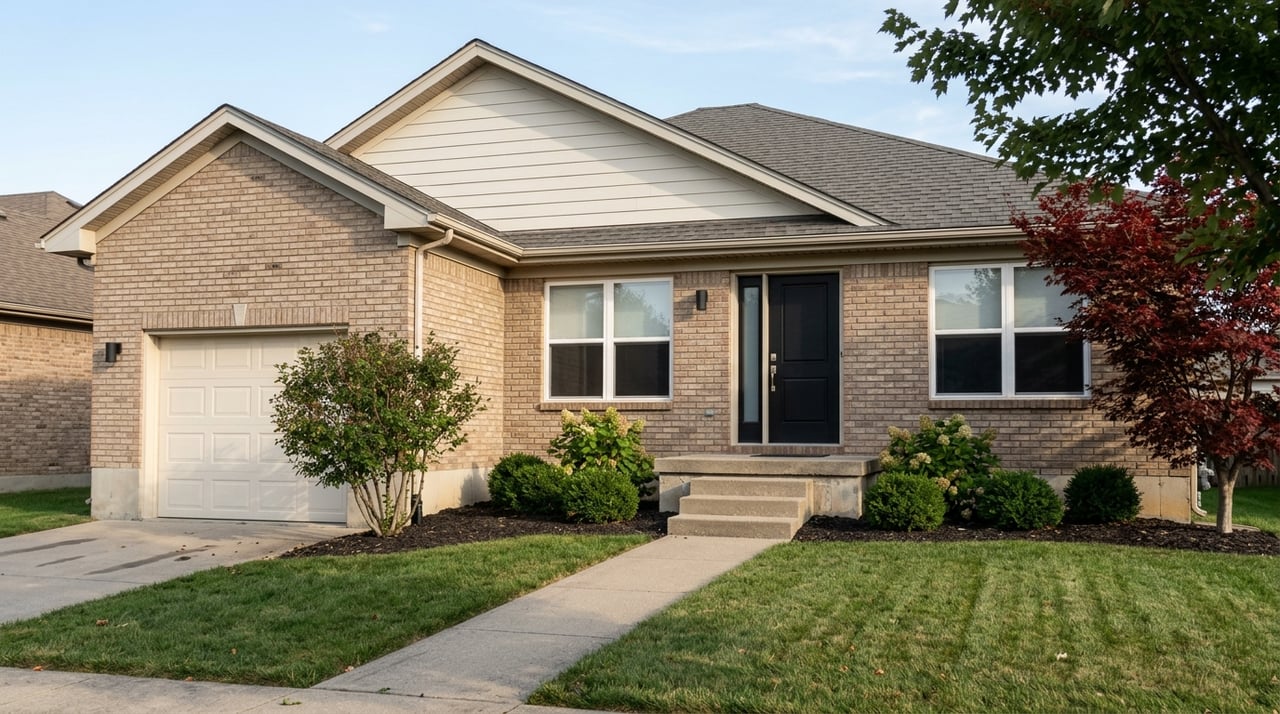
A bungalow is generally a single-storey home with daily living concentrated on one level. In simple terms, it usually means your kitchen, living areas, bedrooms, and main bathroom are all on the main floor.
That layout can be appealing if you want simpler movement through the home. Many buyers also like that a bungalow can make cleaning, carrying groceries, and planning for long-term accessibility feel more straightforward.
In Newmarket, this style can be especially attractive if you want detached living without as many stairs in your daily routine. That does not mean every bungalow is the same, though. Some have full basements, some have crawlspaces, and some have more renovation potential than others.
A split-level home is divided so that one part of the house sits about halfway between two floors in another part. In real life, that often means you move between short sets of stairs rather than living on one full level.
Many buyers like split-level homes because they create distinct zones. You may have living space on one level, bedrooms on another, and additional family or recreation space on a lower level.
That separation can feel practical and flexible. The trade-off is that split-level homes usually involve more stair transitions, which may feel less convenient if you are trying to reduce day-to-day step use.
If you are deciding between the two, the biggest question is not which style is “better.” It is which layout fits your life better.
| Feature | Bungalow | Split-Level |
|---|---|---|
| Daily living layout | Mostly on one floor | Spread across multiple staggered levels |
| Stair use | Usually less | Usually more |
| Space separation | More open and centralized | More divided into zones |
| Accessibility planning | Often simpler | Often more complex |
| Lifestyle feel | Straightforward and easy to navigate | More separation and variation |
A bungalow often works well if you want simplicity. A split-level often works well if you want separation between activity areas and sleeping areas while keeping a detached-home format.
A bungalow may be the better fit if you want your main floor to handle most of your daily routine. That can be especially appealing if you are downsizing, planning ahead for long-term comfort, or simply want fewer stairs in everyday life.
You may also appreciate a bungalow if you want easy visibility across the home. For some buyers, having key spaces on one level makes the home feel more efficient and easier to manage.
That said, you should still look closely at the lower level. In older detached homes, the basement can be a major part of the property’s value, whether you want storage, finished living space, or future renovation options.
A split-level may appeal to you if you want different parts of the household to have their own space. The layout often creates natural separation without needing a full two-storey design.
That can be useful if you want quieter bedroom areas away from the main living zones. It can also help if your household likes having a bit of distance between entertaining space and private space.
The main thing to consider is how often you want to navigate stairs. During a quick showing, the short stair runs may feel minor, but they affect your routine every day.
When you tour a bungalow in Newmarket, start with the main-floor layout. Ask yourself whether the rooms you would use every day already work for your routine, or whether you would need changes soon after moving in.
Then pay close attention to the basement or crawlspace, if there is one. Moisture, foundation cracks, window-well issues, and drainage concerns deserve a close look, especially in older homes.
Canada’s guidance on foundation maintenance notes that foundations can crack and let in moisture, that basement windows and window wells can be weak points, and that downspouts should carry water away from the home’s foundation. Those are practical things to watch if you are buying an older detached property in Newmarket.
A helpful bungalow showing checklist includes:
In a split-level, your first job is to test the layout with your real life in mind. Walk the stairs carefully and think beyond the showing itself.
Ask yourself whether the level changes make sense for your household, guests, or anyone who may need easier mobility over time. A split-level can offer great separation of space, but the extra stair use is a real lifestyle factor.
As you move through the home, notice whether the staggered layout feels useful or awkward. Some buyers love the privacy and division. Others find the constant level changes less practical than they expected.
A good split-level showing checklist includes:
One of the biggest mistakes buyers make is assuming a detached home automatically offers wide-open renovation flexibility. In Newmarket, that is not how it works.
The Town’s planning guidance says zoning by-laws control land use, permitted buildings, lot sizes, parking requirements, density, height, and setbacks. Newmarket’s Official Plan Review also notes that neighbourhood change should be gradual and should consider the surrounding area.
That is especially important in older pockets where many bungalows and split-levels are found. The Established Neighbourhoods Compatibility Study focuses mainly on older areas and proposes adjustments around height, setbacks, and maximum lot coverage so additions and replacements stay more in step with nearby homes.
In plain language, renovation headroom can vary a lot from one street to the next. A house may look like it has room to expand, but the real answer depends on zoning and site-specific standards.
If future income potential or multigenerational flexibility is part of your plan, you need to look beyond the floor plan. Newmarket’s zoning by-law allows accessory dwelling units in accordance with Section 4.5, and the Town says provincial legislation requires municipalities to allow additional residential units in detached dwellings, semi-detached dwellings, townhouses, and ancillary buildings or structures.
Still, that does not mean every property can support every idea. The Town says it can regulate setbacks, building height, fire and pedestrian access, maximum size, and amenity-space locations for detached additional residential units.
There are also limits on accessory building coverage in residential zones. The by-law limits it to the lesser of 15% of the lot area or 75% of the main building’s ground-floor area.
So if you are considering a basement suite, garden suite, or garage conversion, treat it as a property-specific due diligence item. It is smart to ask what is permitted today, what approvals would be needed, and whether the lot truly supports your long-term plan.
For both bungalows and split-levels, some of the most important showing questions are the least glamorous. Ask whether any finished basement, addition, rear-yard improvement, below-grade entrance, or basement walkout was completed with permits.
Newmarket says most renovation, alteration, construction, and demolition projects require a building permit before work begins. The Town also notes that permit review looks at Ontario Building Code compliance as well as other applicable laws such as the zoning by-law and Ontario Heritage Act.
Parking is another point buyers sometimes overlook. The Town says driveway widening and curb cuts are controlled by Town policies and the zoning by-law, so a larger lot does not automatically mean you can create more parking.
If you are torn between a bungalow and a split-level, come back to your daily routine. The smartest choice is usually the one that fits how you live now while leaving enough flexibility for the next chapter.
A bungalow may suit you better if you value one-level living, simpler movement, and easier long-term planning. A split-level may suit you better if you want more separation between spaces and do not mind more stair use.
In Newmarket, both styles can be strong options within a detached-home market. The better buy is not just about square footage or curb appeal. It is about layout, condition, permitted improvements, and how the property lines up with your goals.
If you want help comparing detached homes in Newmarket and spotting the details that matter before you offer, connect with Sam Galloway for responsive, practical guidance.
From understanding market trends to mastering effective negotiation strategies, Sam’s sophisticated approach ensures you make informed decisions every step of the way.